What Families Can Do After Losing a Loved One in a Motorcycle Accident
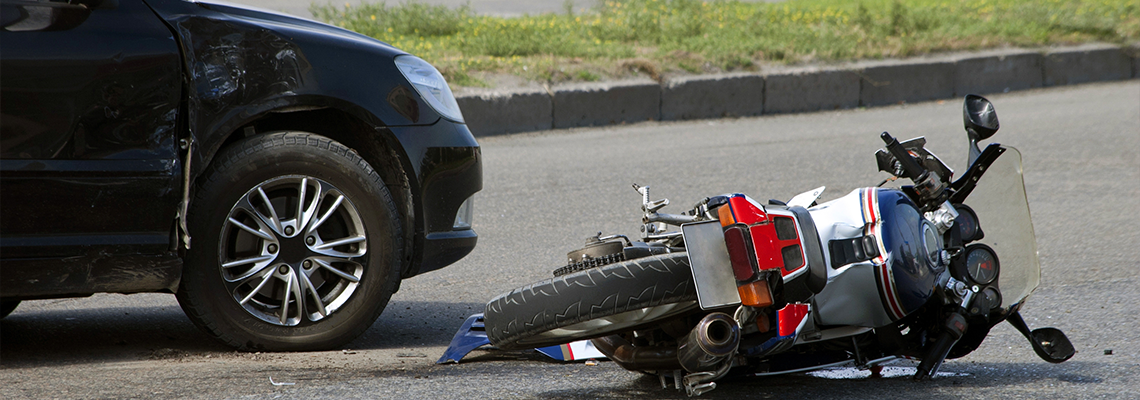
Motorcycle accidents can have devastating consequences. Unlike car accidents, the risks motorcyclists face are significantly higher due to the lack of protection that vehicles provide. A single mistake on the road can result in catastrophic injuries or fatalities, leaving families overwhelmed and unsure where to turn for help.
When a fatal motorcycle accident occurs, determining liability is often more complicated than it seems. Multiple parties may share responsibility, and identifying each party’s potential role in the crash is critical for pursuing legal action.
Our St. Joseph personal injury lawyer helps families affected by fatal motorcycle accidents understand their legal options and gather evidence to hold responsible parties accountable. Their guidance can make a challenging time more manageable while protecting the legal rights of victims’ families.
Motorcycle accidents are caused by a range of factors, including human error, environmental conditions, and mechanical failures. Recognizing the various parties who may be held liable can make a significant difference in how families approach a case.
One of the most common sources of liability in fatal motorcycle accidents is the driver of another vehicle. When drivers fail to exercise reasonable care, they may directly contribute to the accident. Some frequent causes include:
Distracted driving: Using a cellphone, adjusting the radio, or other distractions that take attention away from the road.
Speeding: Driving above the speed limit or too fast for road conditions.
Failure to yield: Ignoring traffic signals, stop signs, or giving the right-of-way to motorcyclists.
Driving under the influence: Alcohol, drugs, or certain medications can severely impair judgment and reaction times.
Aggressive driving: Tailgating, weaving through traffic, or other reckless behaviors that increase the risk of a crash.
When another driver’s negligence causes a fatal motorcycle accident, the victims’ families may pursue a personal injury or wrongful death claim against that driver. Evidence such as eyewitness accounts, traffic camera footage, and accident reconstruction reports can play a key role in establishing liability.
While other drivers often contribute to accidents, motorcyclists themselves may also bear partial responsibility. This is especially relevant in cases where the crash results from rider error. Examples include:
Speeding or aggressive maneuvers: Riding faster than is safe for conditions or weaving between lanes.
Failure to signal: Not using turn signals or hand signals when changing lanes or turning.
Impairment: Riding under the influence of alcohol or drugs.
Ignoring traffic laws: Running red lights, stop signs, or other violations.
Lack of protective gear: Not wearing a helmet or appropriate safety gear can worsen injuries and affect claims.
Missouri follows a comparative fault system, which means that if a motorcyclist shares some responsibility for the accident, any compensation may be reduced proportionally. For families dealing with a fatal crash, understanding the rider’s potential contribution is crucial in building a clear legal picture.
Sometimes, the environment itself can create dangerous situations for motorcyclists. Municipalities or road maintenance agencies may be held liable when negligence in maintaining roadways contributes to an accident. Examples include:
Potholes or uneven pavement: These hazards can destabilize motorcycles, leading to crashes.
Poor signage or lighting: Missing or unclear road signs may prevent riders from making safe decisions.
Obstructions: Debris, fallen branches, or other road hazards that aren’t promptly cleared.
Improperly designed roads: Curves, slopes, or intersections that are inherently unsafe.
Liability in these cases often involves proving that the government or responsible agency knew—or should have known—about the hazard and failed to act. This can require documentation, professional assessments, and formal notice of the dangerous condition prior to the accident.
Fatal motorcycle accidents frequently involve more than one source of negligence. For instance, another driver may have failed to yield while the motorcycle was also traveling at an unsafe speed. Similarly, a mechanical defect could coincide with adverse road conditions.
Missouri’s comparative fault system means courts will assign percentages of responsibility to each party. Families affected by fatal crashes must carefully gather evidence to show how each party contributed to the accident. Murphy, Kinney, & Sumy work with clients to investigate these factors, consult professionals, and build a case that accounts for all potential liabilities.
Establishing liability in fatal motorcycle accidents often relies on gathering solid evidence. Professionals can collect a variety of information to piece together how the crash occurred and identify who may be responsible.
Police reports: Official accounts of the accident scene and statements from involved parties.
Photographs and videos: Visual evidence of damage, road conditions, and positioning.
Eyewitness statements: Accounts from those who saw the crash occur.
Medical records: Documentation of injuries or causes of death.
Professional analysis: Accident reconstruction specialists can determine impact points and the sequence of events.
This evidence not only identifies who may be at fault but also strengthens claims against multiple parties. Families may find that a thorough investigation is essential to holding negligent parties accountable.
When a fatal motorcycle accident occurs, families may pursue a wrongful death claim. These claims seek compensation for the losses experienced due to the death of a loved one. They may include:
Funeral and burial expenses: Costs related to the deceased’s final arrangements.
Lost income: Future earnings the victim would have contributed to the family.
Loss of companionship: Emotional suffering and grief experienced by surviving family members.
Medical expenses: Costs incurred before death as a result of the accident.
Because multiple parties may share liability, wrongful death claims can involve detailed negotiations and require strong legal support. Murphy, Kinney, & Sumy assists families in preparing and presenting claims while coordinating with insurers and other responsible parties.
Acting promptly helps preserve important evidence and keeps the case on track. Families coping with a fatal motorcycle accident may feel overwhelmed, but taking organized steps can help protect legal rights:
Seek immediate legal advice: Contacting a lawyer promptly can preserve evidence and clarify options.
Document the accident: Collect photographs, witness contacts, and police reports.
Preserve medical records: Obtain hospital and emergency reports related to the accident.
Communicate carefully with insurers: Avoid giving recorded statements before consulting a lawyer.
Each step contributes to building a comprehensive case that accounts for all potential liabilities. Taking these actions early can strengthen claims and provide clarity during a difficult time.
With offices in Kansas City and St. Joseph, Missouri, Murphy, Kinney, & Sumy supports families in Missouri with guidance and advocacy, helping families handle insurance claims, gather evidence, and pursue justice. They serve clients in Kansas City, St. Joseph, Lee’s Summit, Blue Springs, Grain Valley, Parkville, Liberty, Belton, North KC, Overland Park, Leawood, and Prairie Village.
Determining liability in fatal motorcycle accidents can be challenging, especially when multiple parties may share responsibility. Contact Murphy, Kinney, & Sumy today to discuss your case and get the guidance your family needs.