Construction Crane Collapses onto Public Roads: Third-Party Claims When Workers’ Comp Blocks the Employer
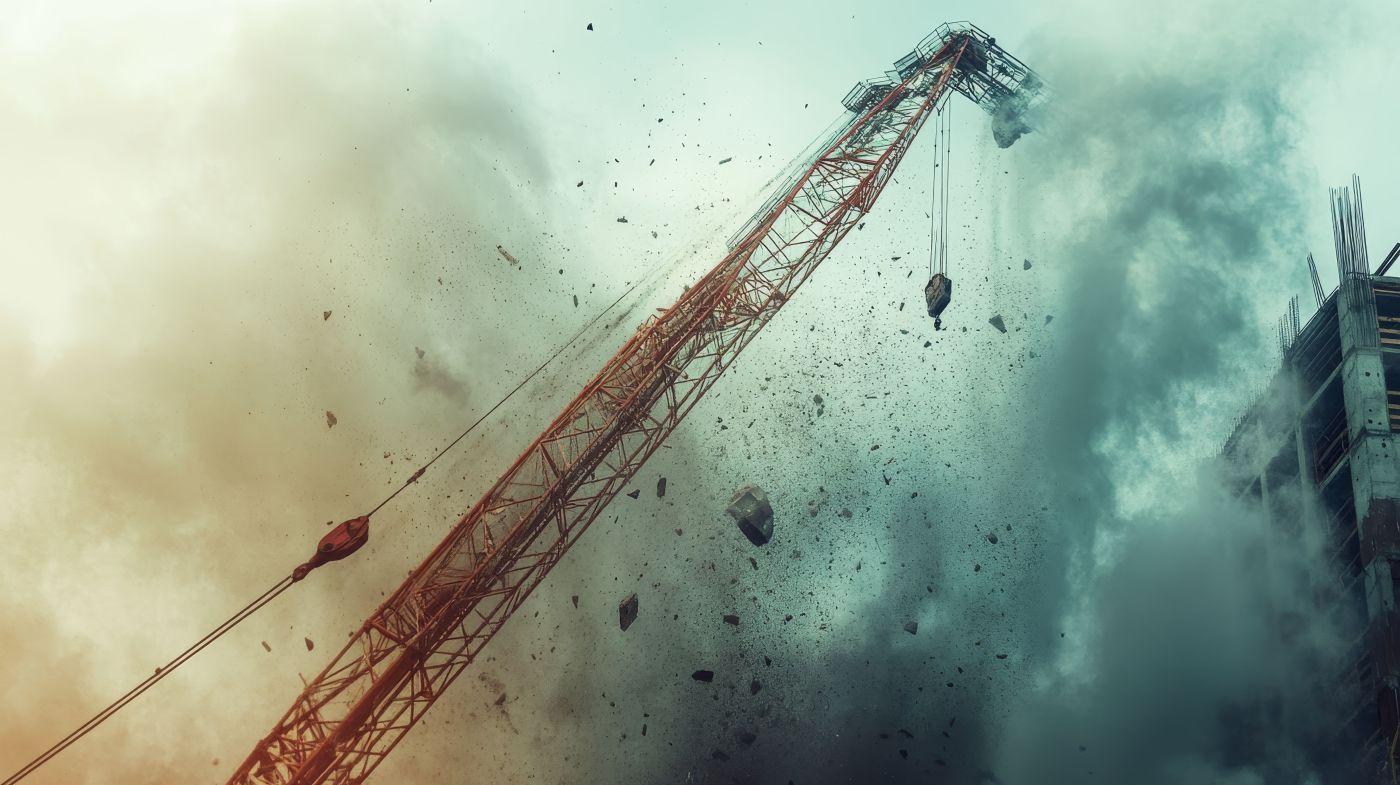
A crane collapse is the kind of accident that can change everything in an instant. One moment, you’re going about your day, and the next, you’re dealing with injuries, shock, and questions about what just happened.
These incidents don’t just affect construction workers—they can impact drivers, pedestrians, and anyone nearby. When something this serious happens, it’s natural to feel overwhelmed and unsure about what steps to take next.
When a crane collapses, workers’ compensation can limit your ability to bring a claim against an employer. However, that doesn’t mean your options stop there.
Murphy, Kinney & Sumy is a law firm that represents individuals exploring third-party claims after serious construction accidents. The firm has offices in Kansas City and St. Joseph, Missouri. If you’ve been affected by a crane collapse, reach out to them today to discuss your situation.
Workers’ compensation laws are designed to provide benefits to injured employees, but they also limit the ability to file a lawsuit against an employer in many cases. This means that even if an employer’s actions contributed to an accident, you won’t be able to pursue a traditional claim directly against them.
Instead, workers’ compensation typically covers medical expenses and a portion of lost wages. While these benefits can be helpful, they may not fully address the impact of a serious injury. This is where third-party claims can become an important part of the legal process.
A personal injury attorney can help assess whether someone outside the employer is responsible for the incident. Exploring third-party claims can open the door to additional forms of compensation beyond workers’ compensation alone.
In crane collapse cases, construction projects often involve multiple parties, making it challenging to pinpoint a single entity responsible when something goes wrong. Third-party claims aim to identify and hold accountable those outside of the employer who may have contributed to the accident.
Below are some examples of parties that may be involved:
Equipment manufacturers: If a defect in the crane or its components contributed to the accident, the manufacturer can be held accountable.
Maintenance providers: Companies responsible for inspecting or maintaining equipment will be involved if proper upkeep wasn’t performed.
Contractors or subcontractors: Other parties on the job site could’ve contributed to unsafe conditions.
Property owners: In some cases, property owners share responsibility for site conditions.
Exploring these possibilities can provide clarity on how liability may be distributed. Third-party claims enable injured individuals to seek compensation from all parties that contributed to the incident. Carefully evaluating each party’s involvement is a critical step in determining the best path forward after a serious accident.
Third-party claims operate separately from workers’ compensation benefits. While workers’ compensation provides limited coverage, third-party claims seek to hold other responsible parties accountable through a civil case.
These claims may allow you to seek compensation for damages that aren’t covered under workers’ compensation, such as pain and suffering or the full extent of lost income. In cases involving serious injuries, this additional compensation can make a significant difference.
An experienced attorney will review the circumstances of the collapse and determine whether third-party claims apply. This process involves gathering evidence, consulting with professionals, and building a case showing how another party contributed to the incident. By pursuing third-party claims, you can address a broader range of damages related to the accident.
In some situations, these claims can move forward at the same time as a workers’ compensation case, which gives you additional options as your situation develops. Reviewing how these processes interact can help you feel more prepared for what comes next.
Building a case after a crane collapse often requires collecting detailed evidence. This information can help show what went wrong and who is responsible.
Here are some types of evidence that can be considered:
Accident reports: Documentation created after the incident can provide initial details about what occurred.
Maintenance records: These records can reveal whether the crane was properly inspected and maintained.
Witness statements: Testimony from those present at the scene can help clarify how the accident happened.
Safety violations: Prior violations may indicate ongoing issues at the site.
Each piece of evidence shapes how the case is approached. Third-party claims often depend on connecting these details to show how another party contributed to the collapse. Carefully reviewing the available evidence can help determine the strength of a claim and the next steps.
This process can also reveal patterns or safety concerns that may not be obvious at first. Looking closely at these details can provide a clearer picture of what happened and how responsibility might be assigned.
After a crane collapse, you may be dealing with physical injuries, emotional stress, and uncertainty about your next steps. Third-party claims can provide a path toward additional compensation when workers’ compensation doesn’t fully address your situation. While the process can feel overwhelming, having guidance can help you make informed decisions.
Murphy, Kinney, & Sumy work with individuals who are exploring their options after serious construction accidents and considering pursuing third-party claims. The firm serves clients from its offices in Kansas City and St. Joseph, Missouri. Reach out to them today to discuss your case.