
Nursing Home Fall Deaths: Turning Understaffing Ratios into Punitive Damages Most Facilities Never Expect
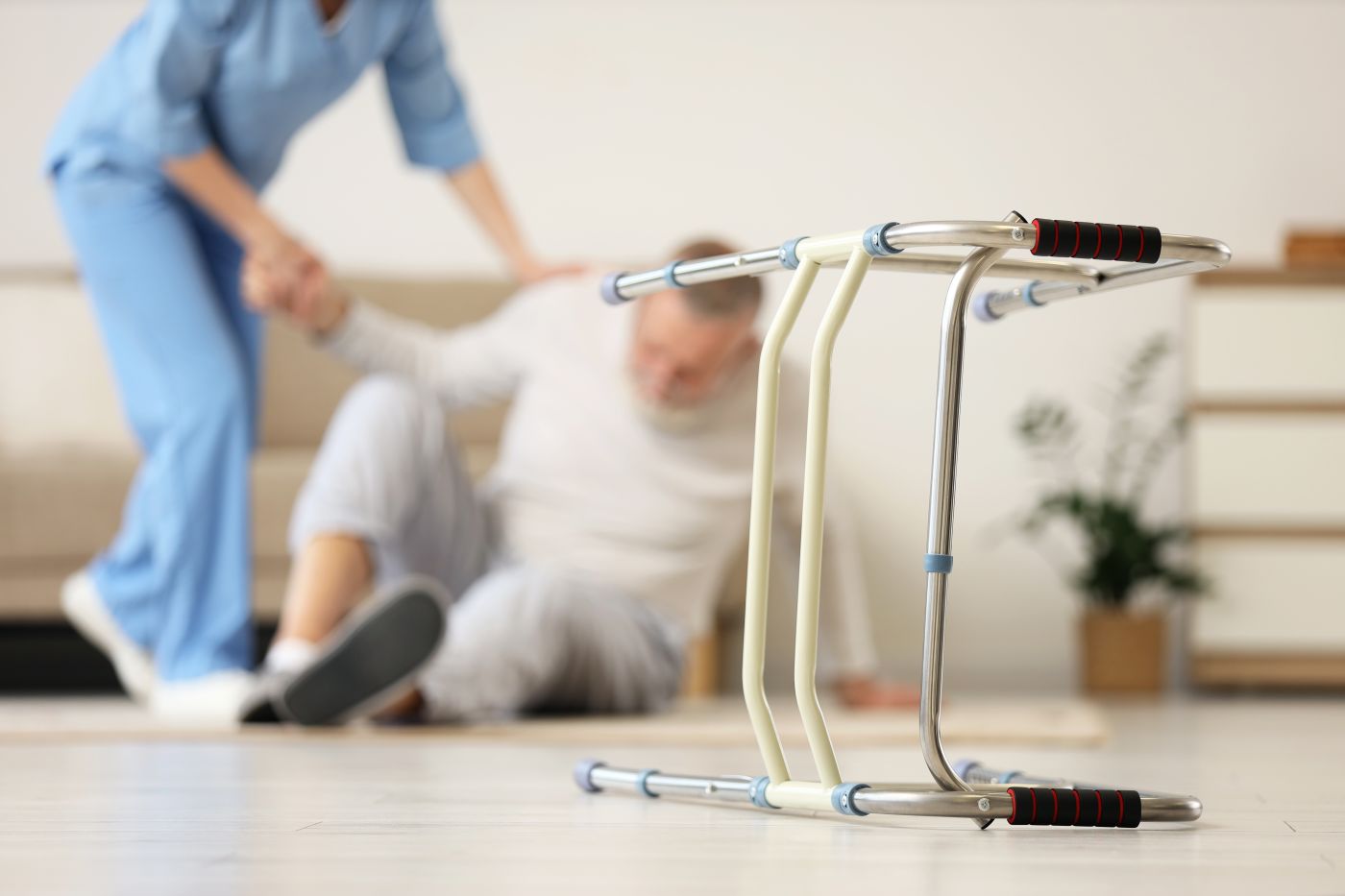
Losing a loved one is always a profound and challenging experience. When that loss occurs in a place meant to provide safety and care, such as a nursing home, the pain can feel even more overwhelming. Families trust these facilities to provide proper care, supervision, and protection, particularly for individuals who are vulnerable to accidents, such as falls.
When that trust is broken, families are left grappling with unanswered questions, frustration, and an immense sense of loss. You may find yourself wondering how such a tragedy could happen and whether it was preventable.
In many cases, nursing home fall deaths are linked to staffing issues that impact the level of care residents receive. When facilities are understaffed, residents don’t get the supervision they need, which can increase the risk of serious injury or worse.
Murphy, Kinney, & Sumy is a law firm that works with families facing these difficult situations and looking for answers after a potential wrongful death. The firm has offices in Kansas City and St. Joseph, Missouri. If you believe understaffing may have played a role in your loved one’s passing, reach out to them today to discuss your options.
Staffing levels in nursing homes play a critical role in resident safety. When there aren’t enough caregivers available, it becomes harder to monitor residents who may need assistance with mobility, balance, or daily activities. This can lead to situations in which individuals are left unattended for longer periods.
Falls can happen quickly, especially for residents who are already at risk due to age, medical conditions, or medication side effects. Without adequate supervision, even a brief lapse in attention can result in a serious injury. In some cases, these injuries can lead to complications that ultimately result in wrongful death.
When reviewing these situations, an experienced attorney will examine staffing records, schedules, and policies to determine whether the facility provided appropriate care.
Not every fall in a nursing home automatically results in legal liability, but there are circumstances where negligence may be involved. When a facility fails to provide a reasonable level of care, that failure can contribute to harmful outcomes.
Below are some signs that negligence may have played a role:
Inadequate staffing levels: When there aren’t enough caregivers to meet residents’ needs, supervision is lacking.
Failure to follow care plans: Residents often have individualized plans that outline their specific needs, including fall prevention measures.
Delayed response times: If staff members take too long to respond to calls for help, residents sometimes attempt to move on their own and fall.
Lack of proper training: Staff who aren’t properly trained don’t recognize fall risks or know how to respond effectively.
These factors can help paint a clearer picture of whether the facility met its responsibilities. A wrongful death claim arises when negligence contributes to a fatal outcome. Taking a closer look at these warning signs can help you better understand whether further legal action is appropriate.
In some cases, understaffing may not only indicate negligence but also reveal a troubling pattern of behavior that disregards resident safety. This is where punitive damages can come into play. These damages are intended to address conduct that goes beyond mere carelessness, holding parties accountable for actions that demonstrate a blatant disregard for others' well-being.
For example, if a facility knowingly operates with insufficient staff despite repeated incidents or warnings, that pattern may support a claim for additional damages. Evidence such as internal reports, prior complaints, or regulatory findings may be considered.
A wrongful death case involving these circumstances may focus on whether the facility made decisions that placed residents at risk. When those decisions result in serious harm, the legal response may reflect the gravity of the situation. An experienced lawyer can review these details and determine whether punitive damages may be relevant in your case.
Building a case after a nursing home fall death often involves gathering multiple forms of evidence. This information can help show what happened, how the facility responded, and whether proper care was provided.
Some of the evidence that may be considered includes:
Medical records: These documents show the extent of injuries and any contributing health factors.
Incident reports: Facilities are typically required to document falls and the circumstances surrounding them.
Staffing logs: These records can reveal whether the facility was adequately staffed at the time of the incident.
Witness statements: Testimony from staff or other residents can provide additional insight into what occurred.
Each piece of evidence can contribute to a more complete picture of the situation. A wrongful death claim often relies on connecting these details to demonstrate how the incident unfolded. Carefully reviewing this information can help determine the strength of a case and the next steps.
Losing a loved one under these circumstances can leave you searching for answers and accountability. A wrongful death case provides an opportunity to address what happened and bring attention to issues that could affect other families as well. While legal action can’t undo the loss, it helps you move forward with a clearer sense of what occurred.
Murphy, Kinney, & Sumy work with families dealing with the aftermath of a nursing home fall and seeking to explore their options. The firm serves clients from its offices in Kansas City and St. Joseph, Missouri. Reach out to them today to discuss your situation and work toward a resolution.